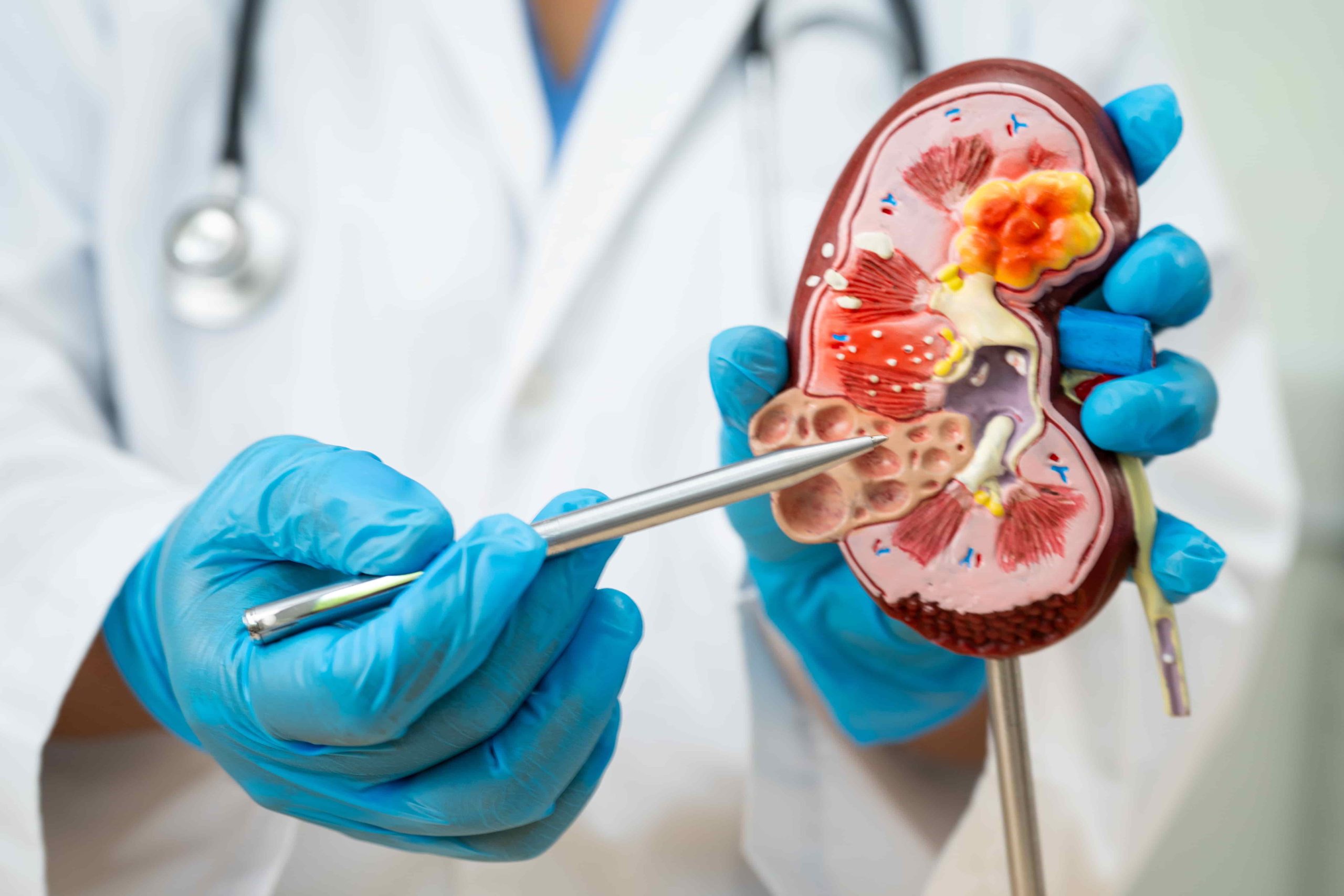

Chemotherapy plays a vital role in the treatment of hematological malignancies, commonly known as blood cancers. For patients diagnosed with conditions such as leukemia, lymphoma, or multiple myeloma, understanding how chemotherapy works and what to expect can help reduce anxiety and prepare them for treatment.
At CuraLife Cancer Centre, our approach to chemotherapy is personalized, evidence-based, and supported by comprehensive patient care.
Understanding Hematological Malignancies
Hematological malignancies are cancers that affect the blood, bone marrow, and lymphatic system. Unlike solid tumours, these cancers involve rapidly dividing abnormal cells circulating in the bloodstream or lymphatic tissue.
Common types include:
- Leukemia – cancer of blood-forming tissues, including bone marrow
- Lymphoma – cancer of the lymphatic system (Hodgkin’s and Non-Hodgkin’s)
- Multiple Myeloma – cancer of plasma cells in the bone marrow
Because these cancers affect blood cells directly, chemotherapy is often a cornerstone of treatment.
What Is Chemotherapy?
Chemotherapy uses anti-cancer drugs to destroy or control cancer cells. These drugs target rapidly dividing cells—one of the key characteristics of cancer cells.
In hematological cancers, chemotherapy:
- Eliminates abnormal blood cells
- Reduces disease burden
- Helps restore normal blood cell production
- Prepares the body for additional treatments like bone marrow transplantation, if required
How Chemotherapy Works in Blood Cancers
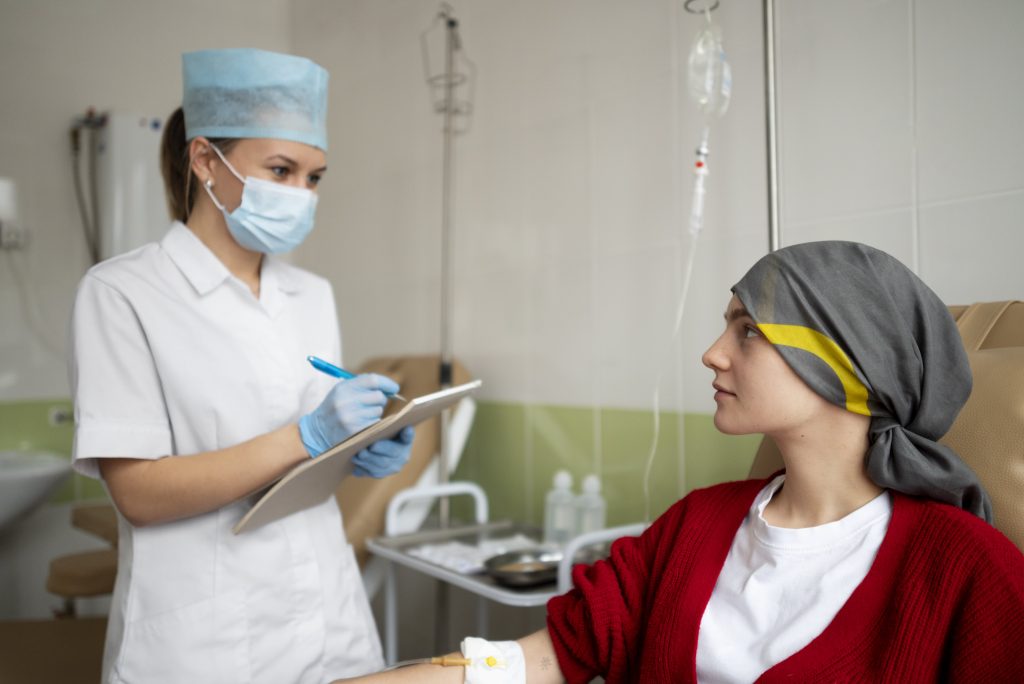
Unlike solid tumours, blood cancers often spread throughout the body early. Chemotherapy works systemically, meaning it travels through the bloodstream to reach cancer cells wherever they are present.
Key ways chemotherapy helps:
- Stops cancer cells from multiplying
- Destroys abnormal cells in blood and bone marrow
- Helps achieve remission
- Enhances the effectiveness of targeted therapy or immunotherapy
Treatment plans are tailored based on:
- Type of hematological malignancy
- Stage and aggressiveness of disease
- Patient’s age and overall health
- Genetic and molecular test results
How Chemotherapy Is Given
Chemotherapy for hematological malignancies may be administered in different ways:
- Intravenous (IV) infusion
- Oral chemotherapy (tablets or capsules)
- Injection under the skin or into a muscle
- Intrathecal chemotherapy, in certain cases, is used to protect the brain and spinal cord
Treatment is usually given in cycles, allowing the body time to recover between sessions.
What to Expect Before Starting Chemotherapy
Before chemotherapy begins, patients undergo a detailed evaluation, including:
- Blood tests
- Bone marrow examination (if required)
- Imaging studies
- Cardiac and organ function assessments
At CuraLife Cancer Centre, patients also receive:
- Clear explanation of the treatment plan
- Nutritional guidance
- Counselling and emotional support
This preparation helps ensure treatment is both safe and effective.
Common Side Effects of Chemotherapy
Chemotherapy affects healthy fast-dividing cells as well, which can lead to side effects. However, not every patient experiences the same effects.
Common side effects may include:
- Fatigue
- Nausea or vomiting
- Hair thinning or hair loss
- Increased risk of infections
- Low blood counts (anemia, low platelets)
- Mouth ulcers
Modern supportive care has significantly improved the management of these side effects.
Managing Side Effects During Treatment
At CuraLife Cancer Centre, chemotherapy is supported by comprehensive care to help patients cope with side effects:
- Preventive medications for nausea and infections
- Regular blood monitoring
- Nutritional and hydration support
- Pain and symptom management
- Psychological counselling and caregiver guidance
Prompt reporting of symptoms allows the care team to intervene early and maintain quality of life.
Chemotherapy and Combination Treatments

Chemotherapy is often used alongside other treatments such as:
- Targeted therapy
- Immunotherapy
- Radiation therapy (in select cases)
- Bone marrow or stem cell transplantation
Combination approaches are chosen based on the latest clinical evidence to achieve the best possible outcomes.
Life During and After Chemotherapy
Many patients continue daily activities during chemotherapy with adjustments. Rest, balanced nutrition, and infection precautions are important.
After treatment:
- Regular follow-up visits are scheduled
- Blood tests monitor recovery and remission
- Long-term survivorship care focuses on health, nutrition, and well-being
When to Seek Immediate Medical Attention
During chemotherapy, patients should contact their care team immediately if they experience:
- Fever or signs of infection
- Unusual bleeding or bruising
- Severe fatigue or breathlessness
- Persistent vomiting or pain
Early intervention helps prevent complications.
Chemotherapy Care at CuraLife Cancer Centre
At CuraLife Cancer Centre, chemotherapy for hematological malignancies is delivered by experienced oncology specialists using evidence-based protocols. Our focus extends beyond treatment to include patient education, safety, comfort, and long-term care.
Every patient receives a personalized plan designed to support both medical outcomes and quality of life.
Final Thoughts
Chemotherapy remains a powerful and effective treatment for hematological malignancies. Understanding how it works and what to expect can help patients and families feel more prepared and confident throughout the journey.
With the right medical team, supportive care, and timely treatment, many patients achieve disease control and improved quality of life.
Every patient receives a personalized plan designed to support both medical outcomes and quality of life.