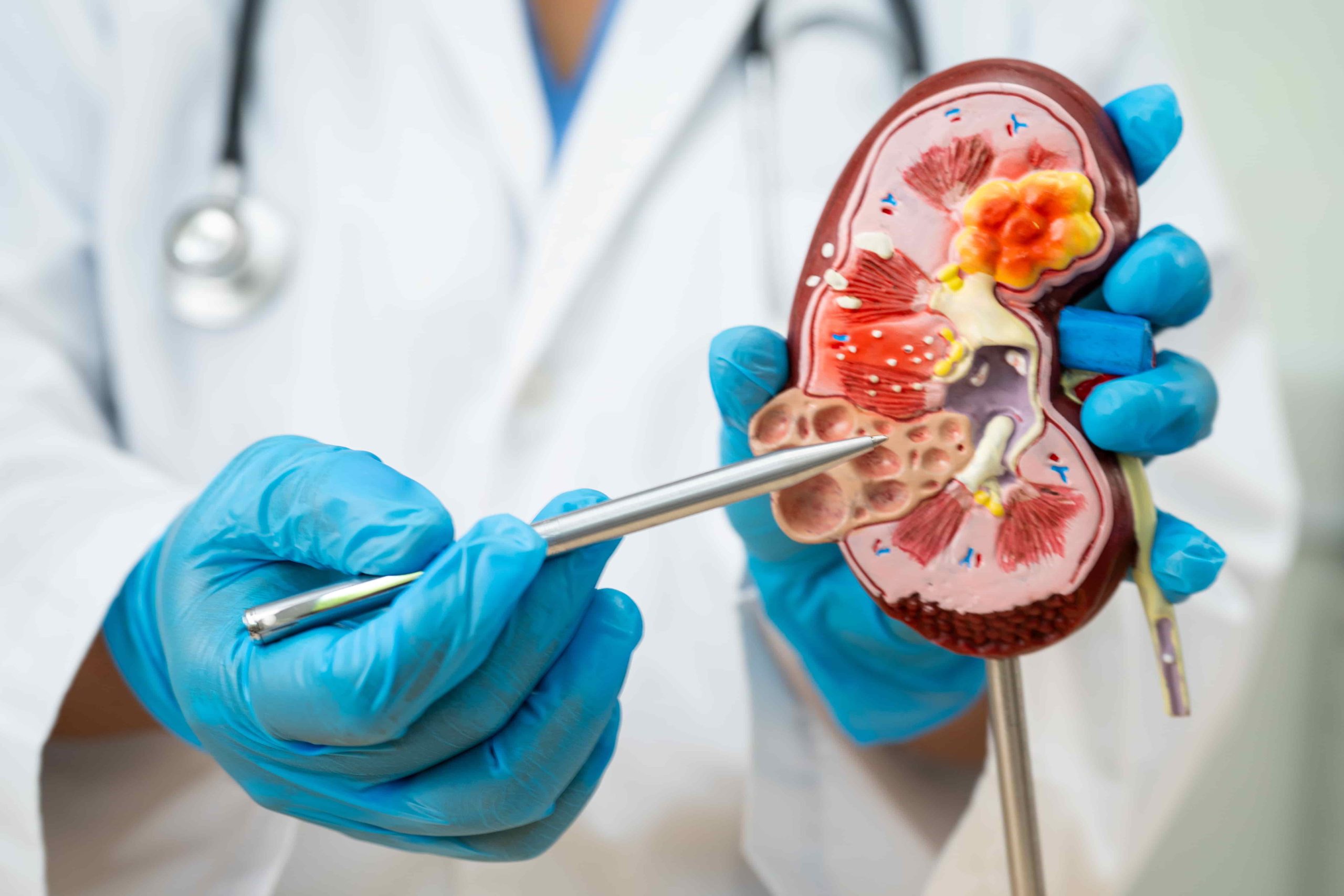

Completing cancer treatment is a major milestone. For many patients and families, it brings relief, hope and gratitude. However, life after cancer treatment can also bring many new questions. What happens next? How often should follow-up visits be done? Why do I still feel tired? Will the cancer come back? How can I return to normal life?
This phase is known as cancer survivorship. It begins after active treatment and focuses on recovery, regular monitoring, emotional wellbeing, lifestyle care and long-term health support. At CuraLife Cancer Centre, Kolhapur, survivorship is seen as an important part of the cancer journey, not just an afterthought. The centre’s care approach includes diagnosis, treatment, recovery support, dietary guidance, counselling and regular follow-ups.
What Does Cancer Survivorship Mean?
Cancer survivorship refers to the period after cancer diagnosis and treatment, especially when a patient moves from active treatment to ongoing care and recovery. It includes physical healing, emotional adjustment, lifestyle changes, family support and medical follow-up.
Many survivors expect life to return to normal immediately after treatment, but recovery may take time. Some people may feel stronger within weeks, while others may continue to experience tiredness, weakness, appetite changes, sleep issues or emotional stress. This does not always mean something is wrong, but it should be discussed with your oncologist.
A good survivorship plan helps patients understand what to expect after treatment and how to take care of their health in the months and years ahead.
Why Follow-Up Care Is Important After Cancer Treatment
Follow-up care is one of the most important parts of cancer survivorship. After treatment is completed, your doctor may advise regular visits, physical examinations, blood tests, scans or other investigations depending on the type of cancer, stage, treatment received and overall health. The CDC explains that follow-up care helps doctors look for early signs of the same cancer or a new cancer.
These visits also help manage long-term side effects of treatment. For example, some patients may experience fatigue, nerve-related symptoms, hormonal changes, pain, digestive issues or changes in immunity. Regular monitoring can help detect and manage these concerns early.
At CuraLife Cancer Centre, patients can speak to the team through expert cancer consultation in Kolhapur to understand their follow-up schedule, required tests and recovery plan.
What Is a Survivorship Care Plan?
A survivorship care plan is a written or guided plan that explains your cancer history, treatment received, future check-ups, possible long-term effects and lifestyle recommendations. According to the CDC, a survivorship care plan may include treatment history, required follow-up tests and ideas for staying healthy after cancer treatment.
This plan can include:
- Type and stage of cancer treated
- Treatments received, such as chemotherapy, immunotherapy, radiation or surgery
- Medicines currently being taken
- Recommended follow-up visits
- Warning signs to watch for
- Lifestyle and nutrition guidance
- Emotional and family support needs
A clear plan helps patients and families feel more confident after treatment.
Common Physical Changes After Cancer Treatment
Cancer treatment can affect the body in different ways. Some changes are temporary, while others may take longer to improve. Common concerns after treatment may include tiredness, reduced stamina, appetite changes, weight changes, hair regrowth, skin changes, sleep disturbance or body pain.
Fatigue is one of the most common concerns among cancer survivors. Unlike normal tiredness, cancer-related fatigue may not always improve with rest. Gentle movement, balanced meals, hydration, sleep routine and medical guidance can help.
Patients should not ignore symptoms such as unexplained weight loss, persistent pain, swelling, bleeding, severe weakness, fever, breathing difficulty or new lumps. These symptoms do not always mean cancer has returned, but they need proper medical review.
For accurate monitoring, patients may require onco diagnostics in Kolhapur as advised by their oncologist.
Emotional Health After Cancer Treatment
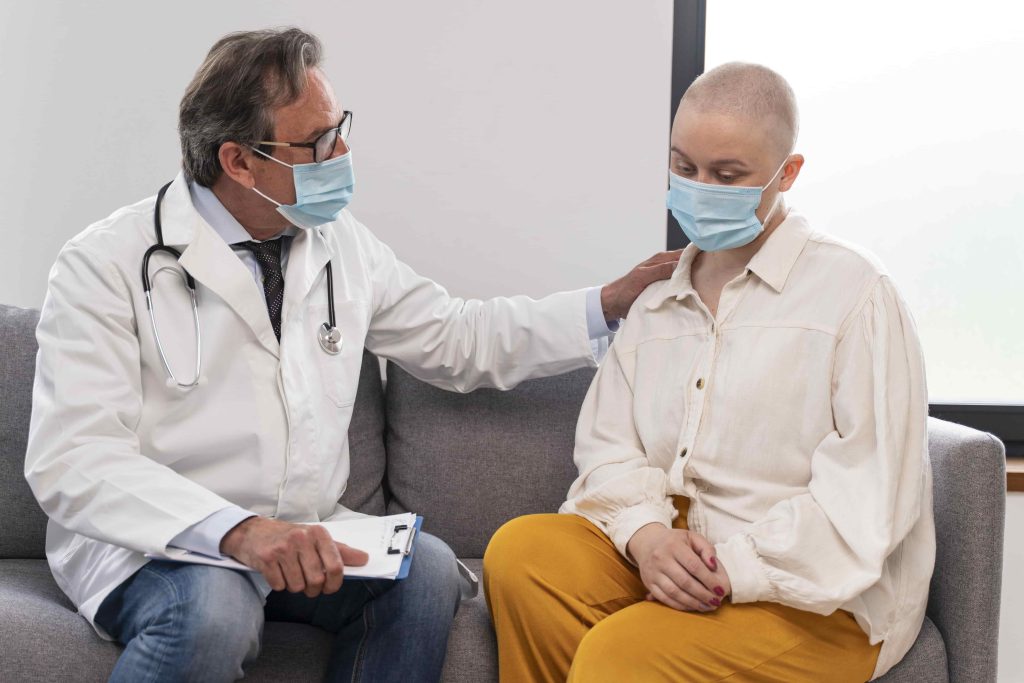
Life after cancer is not only about physical recovery. Emotional healing is equally important. Many survivors experience fear of recurrence, anxiety before scans, sadness, mood changes or difficulty adjusting to daily life. The National Cancer Institute notes that survivorship includes coping with physical and emotional changes, as well as fear of recurrence.
Some patients feel pressure to “be normal” quickly after treatment. But cancer changes a person’s routine, confidence, relationships and outlook on life. It is okay to ask for help.
Talking to your oncologist, counsellor, family, or a support group can make recovery easier. CuraLife’s patient-centred approach includes support for patients and families throughout the cancer journey.
Nutrition During Cancer Survivorship
A healthy diet plays an important role after cancer treatment. Good nutrition can support strength, immunity, energy levels and recovery. However, every patient’s diet needs may be different based on cancer type, treatment side effects, digestion, weight, diabetes, appetite and other medical conditions.
General guidance may include eating enough protein, adding fruits and vegetables, drinking adequate water, limiting processed foods and avoiding tobacco and alcohol. Patients should avoid following random diet plans online, especially extreme diets or supplements without medical advice.
CuraLife offers Onco Nutrition Support, which can help patients receive personalised diet guidance during and after cancer treatment.
Returning to Daily Life
Returning to work, household duties, social life or travel after cancer treatment should be gradual. Some survivors may feel ready quickly, while others may need more time. Start with small steps. Take short walks, follow a sleep schedule, eat regular meals and avoid overexertion.
Family members should understand that recovery is not always visible. Even if treatment is completed, the person may still need emotional support, rest and reassurance.
Patients can also discuss lifestyle, screening and risk reduction through Preventive Oncology services. Preventive care may help survivors understand how to reduce health risks and stay alert for future concerns.
Role of Family and Caregivers

Cancer survivorship affects the entire family. Caregivers may also feel emotionally tired after months of treatment responsibilities. Open communication is important. Families should encourage follow-up visits, help with medicines, support diet changes and listen without forcing positivity.
Survivors may sometimes feel guilty for needing continued help. Caregivers may feel unsure about how much support to provide. A medical team can guide both patients and families on what to expect during recovery.
When Should You Contact Your Oncologist?
Cancer survivors should follow the review schedule advised by their doctor. Apart from planned follow-ups, they should contact their oncologist if they notice new or worsening symptoms, unusual pain, unexplained fever, bleeding, severe fatigue, sudden weight loss, breathing difficulty or any worrying change.
Follow-up schedules are different for every patient. The National Cancer Institute explains that visit frequency depends on the cancer type, treatment received and overall health.
How CuraLife Cancer Centre Supports Survivors
CuraLife Cancer Centre in Rajarampuri, Kolhapur, provides advanced cancer care in a supportive and patient-centric environment. Led by Dr. Akshay Shivchhand, the centre focuses on expert diagnosis, personalised treatment and compassionate support for patients and families.
From evidence-based cancer treatment and expert consultation to onco diagnostics, onco nutrition support and preventive oncology, CuraLife supports patients beyond treatment and into recovery.
Final Thoughts
Life after cancer treatment is a new chapter. It may bring relief, strength and hope, but it may also bring physical, emotional and practical challenges. With the right follow-up care, nutrition, family support and medical guidance, cancer survivors can move forward with confidence.
For personalised cancer survivorship guidance, follow-up care and recovery support, book a consultation with CuraLife Cancer Centre in Kolhapur.