

Cervical cancer is one of the most preventable and treatable cancers when detected early. Yet, many women are still diagnosed at later stages, when treatment becomes more complex, and outcomes are less predictable. The difference between early and late diagnosis can be life-changing — and in many cases, life-saving.
At CuraLife Cancer Centre, we believe that awareness, timely screening, and early diagnosis are crucial to improving cervical cancer survival rates and quality of life.
Understanding Cervical Cancer
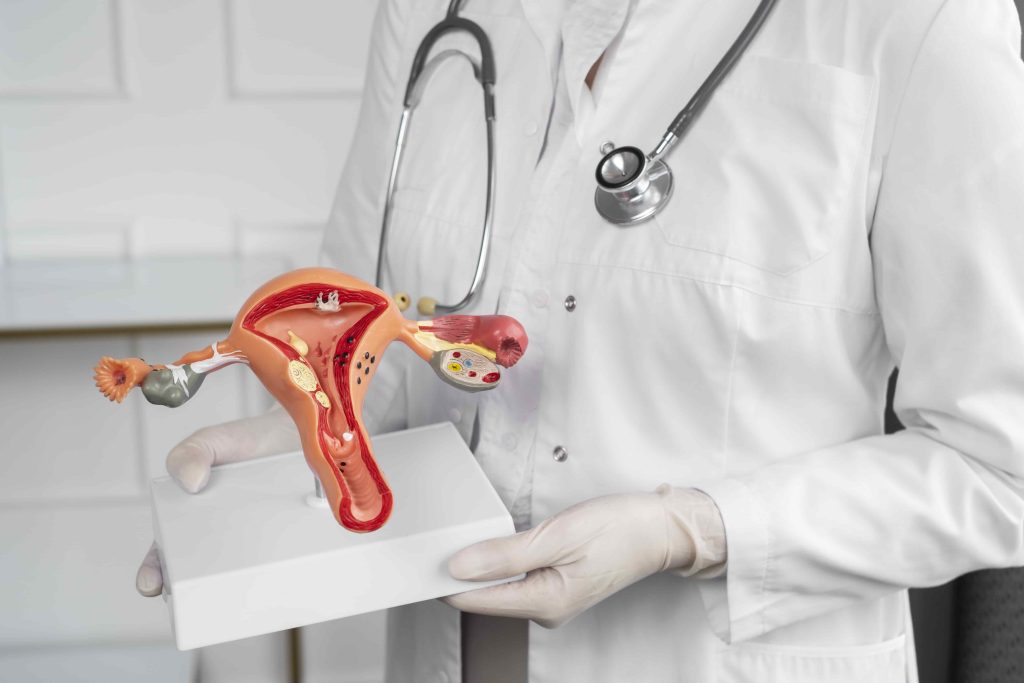
Cervical cancer develops in the cells of the cervix — the lower part of the uterus that connects to the vagina. In most cases, it is caused by a long-standing infection with Human Papillomavirus (HPV), a common virus that often shows no symptoms in its early stages.
Because cervical cancer can progress slowly over several years, it provides a valuable window of opportunity for early detection — if women undergo regular screening.
Why Early Diagnosis Matters So Much
Early diagnosis means identifying cervical cancer before it spreads beyond the cervix or before cancerous changes become advanced. When detected early:
- Treatment options are less invasive
- Recovery is generally quicker
- Survival rates are significantly higher
- Fertility-preserving options may be possible in some cases
- Physical and emotional impact is reduced
In contrast, late-stage diagnosis often requires more aggressive treatments and can affect long-term wellbeing.
Cervical Cancer Survival Rates: Early vs Late Stages

One of the strongest arguments for early diagnosis is the clear difference in survival outcomes.
- Early-stage cervical cancer (Stage I) has a very high survival rate, with many patients responding well to treatment.
- Advanced-stage cervical cancer (Stages III–IV) is more challenging to treat and may involve combined therapies over a longer period.
Early detection does not just improve survival — it also improves quality of life during and after treatment.
The Role of Screening in Early Diagnosis
Regular cancer screening is the cornerstone of early cervical cancer detection. The two most common tests are:
Pap Smear Test
This test detects abnormal cell changes in the cervix before they develop into cancer.
HPV Test
This test identifies the presence of high-risk HPV types that are linked to cervical cancer.
When performed at recommended intervals, these tests can identify changes years before cancer develops, allowing for early intervention.
Common Early Signs That Should Not Be Ignored
In its earliest stages, cervical cancer may not cause noticeable symptoms. However, some warning signs may include:
- Abnormal vaginal bleeding
- Bleeding after intercourse
- Pelvic pain
- Unusual vaginal discharge
These symptoms can be caused by conditions other than cancer, but they should never be ignored. Early medical evaluation can make a significant difference.
How Early Diagnosis Simplifies Treatment
When cervical cancer is diagnosed early, treatment is often:
- More targeted
- Less physically demanding
- Shorter in duration
- Associated with fewer side effects
Treatment options may include surgery, radiation therapy, medical oncology treatments, or a combination — depending on the stage and individual needs.
At CuraLife Cancer Centre, treatment plans are developed through a multidisciplinary approach, ensuring that each patient receives care tailored to their condition, age, and overall health.
Emotional and Psychological Benefits of Early Detection
An early diagnosis not only improves medical outcomes but also provides emotional reassurance. Patients diagnosed early often experience:
- Reduced anxiety due to clearer treatment pathways
- Greater confidence in recovery
- Stronger family and social support
- Better long-term emotional wellbeing
Knowing that cancer has been detected early helps patients feel more in control of their journey.
Overcoming Barriers to Early Diagnosis
Despite the benefits, many women delay screening due to:
- Fear or anxiety
- Lack of awareness
- Busy lifestyles
- Misconceptions about symptoms
- Cultural or social hesitation
Education and open conversations are key to overcoming these barriers. Cervical cancer screening is quick, routine, and potentially life-saving.
CuraLife Cancer Centre’s Approach to Early Diagnosis
At CuraLife Cancer Centre, early diagnosis is at the heart of our cancer care philosophy. Our approach includes:
- Emphasis on awareness and education
- Timely diagnostic evaluations
- Personalised cancer care planning
- Compassionate guidance from the first consultation
We understand that every patient’s journey is unique, and we focus on delivering care that is clear, supportive, and evidence-based.
The Power of Acting Early
Cervical cancer does not develop overnight. With the right awareness and regular screening, it can often be detected before it becomes life-threatening.
Early diagnosis empowers women with choices — choices that lead to better outcomes, faster recovery, and renewed confidence in the future.
Take the First Step Towards Prevention
If you or a loved one has not had a recent cervical screening or is experiencing concerning symptoms, seeking medical advice early is essential.
Early action saves lives.
And with the right care and guidance, cervical cancer outcomes can be significantly improved.
Final Thought
Early diagnosis is not just a medical advantage — it is hope, clarity, and strength. At CuraLife Cancer Centre, we are committed to supporting women through awareness, early detection, and compassionate cancer care at every step.