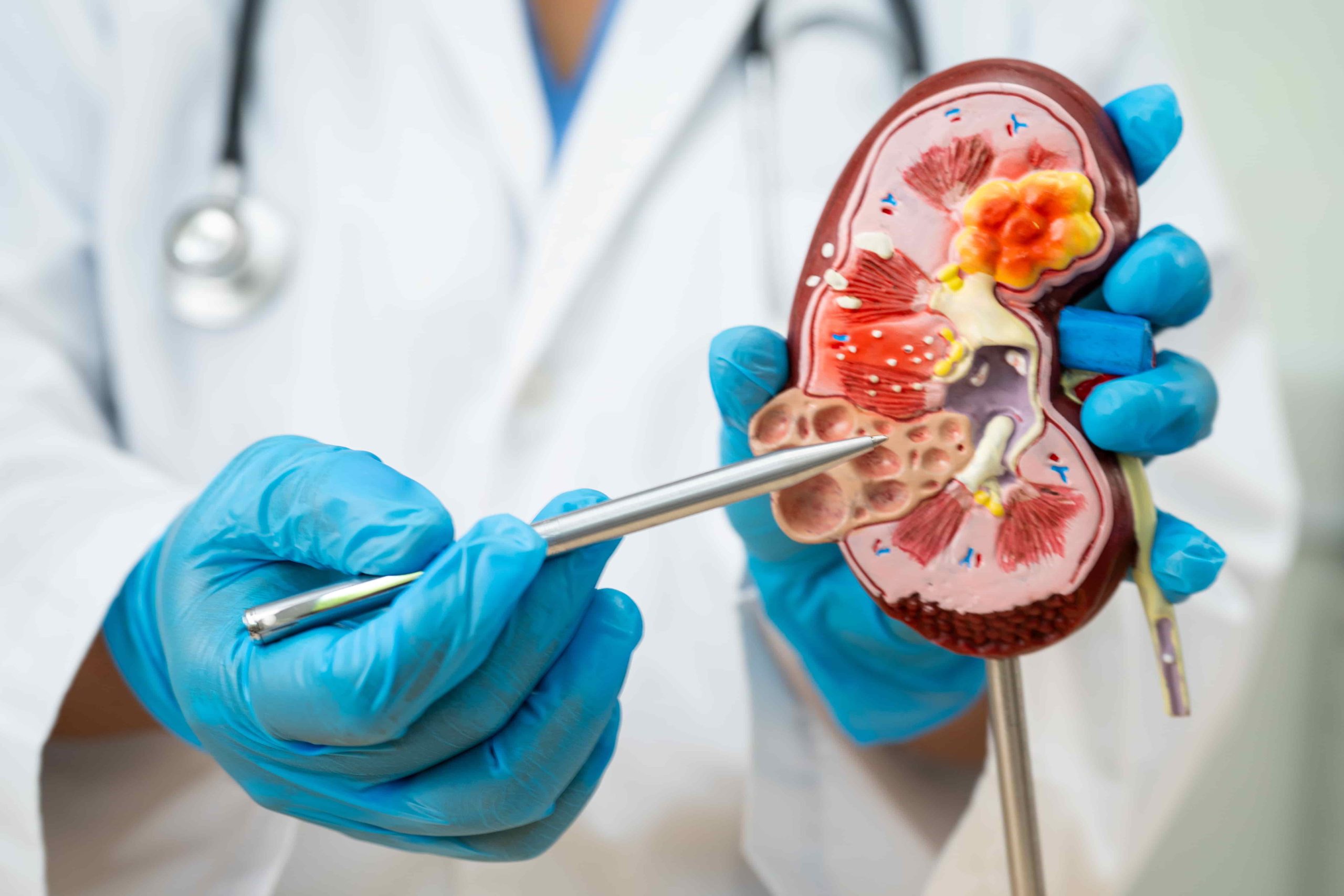

Every July, Sarcoma and Bone Cancer Awareness Month brings attention to rare cancers affecting children and adults. Sarcomas begin in tissues that support and connect the body, including bone, muscle, fat, cartilage, tendons, nerves and blood vessels.
Because sarcoma is uncommon, early signs may be overlooked. A persistent ache can resemble a sports injury, while a painless lump may be ignored. Most lumps and bone pain are not cancer, but changes that continue, grow or lack a clear explanation deserve assessment.
Awareness is especially important because sarcomas can arise in many body areas and may initially resemble common injuries, benign lumps or routine musculoskeletal problems for many patients.
What Is Sarcoma?
Sarcoma includes many cancer subtypes divided into two broad categories.
Soft tissue sarcoma develops in muscle, fat, blood vessels, nerves or fibrous tissue. It may arise almost anywhere, especially the arms, legs and abdomen.
Bone sarcoma begins in bone. Types include osteosarcoma, Ewing sarcoma and chondrosarcoma. Primary bone cancer differs from cancer that started elsewhere and spread to bone. Breast cancer that spreads to bone, for example, remains breast cancer.
Osteosarcoma and Ewing sarcoma occur more often in children, teenagers and young adults. Families concerned about unexplained symptoms in a child can seek guidance through CuraLife’s pediatric oncology services, including care for bone and soft tissue cancers.
Signs That Should Not Be Ignored
Symptoms vary with the tumour’s location and size. A soft tissue sarcoma may first appear as a painless lump. A deeper tumour in the abdomen or chest may cause few symptoms until it presses on nearby structures.
Possible warning signs include:
- A new lump or swelling that keeps growing
- Persistent or unusual pain near a bone
- Swelling or tenderness around a bone or joint
- Reduced movement or an unexplained limp
- A fracture after a minor injury
- Continuing abdominal discomfort or fullness
- Symptoms that worsen despite routine treatment
Bone pain is the most common symptom of primary bone cancer, although not every tumour causes pain. Soft tissue sarcoma may present as a painless lump or swelling. These signs also occur in non-cancerous conditions, so evaluation is needed to identify the cause.
How Are Sarcoma and Bone Cancer Diagnosed?

Diagnosis normally begins with a medical history and physical examination. Depending on symptoms, a doctor may recommend an X-ray, ultrasound, MRI, CT scan, PET scan or other tests.
CuraLife’s onco diagnostic services can support evaluation through appropriate imaging, biopsy, histopathology and molecular investigations when required. CuraLife lists Onco Diagnostics among its current patient services.
Imaging can show an abnormal area’s location, size and characteristics, but a biopsy is usually required to confirm soft tissue sarcoma. A tissue sample is collected and examined by a pathologist.
Biopsy planning matters because the method and location used may affect later surgery. Patients should avoid having an unexplained lump removed without suitable investigation and specialist planning.
What Treatment Options May Be Considered?
There is no universal sarcoma treatment plan. Recommendations depend on the subtype, tumour size and location, grade, stage, spread, previous treatment and overall health.
Surgery is often central when a tumour can be removed safely. Radiation therapy may be used before or after surgery. Chemotherapy is commonly included for osteosarcoma and Ewing sarcoma and may be considered for certain soft tissue sarcomas.
Patients can discuss chemotherapy treatment in Kolhapur with CuraLife’s medical oncology team. Medicines, cycles and timing depend on the diagnosis and treatment objective.
Molecular testing may identify features that influence care. Targeted therapy for cancer acts on particular molecules or pathways involved in tumour growth, while immunotherapy treatment helps the immune system recognise or attack cancer. These treatments are not suitable for every sarcoma; use depends on tumour type, biomarkers, previous therapies and the patient’s condition. CuraLife currently lists chemotherapy, targeted therapy and immunotherapy among its treatment options.
Why Specialist Review Is Important
Sarcoma care may involve medical oncology, surgical oncology, radiation oncology, pathology and radiology. An expert oncology consultation can help patients understand their reports, stage and treatment options.
A review may help when the diagnosis is rare, the biopsy is unclear or several approaches are being considered. Patients should bring scans, biopsy and pathology reports, blood results, prescriptions, discharge summaries and previous treatment details. CuraLife’s consultation process includes reviewing medical history, reports and existing treatments before discussing the next steps.
Patients with a diagnosis or proposed plan may request a second opinion for cancer treatment. Another opinion may confirm the approach, recommend further tests or explain each step. It does not automatically mean the first plan was incorrect.
CuraLife’s second-opinion process includes reviewing biopsy reports, imaging, laboratory results and the patient’s current treatment plan.
Support During Treatment
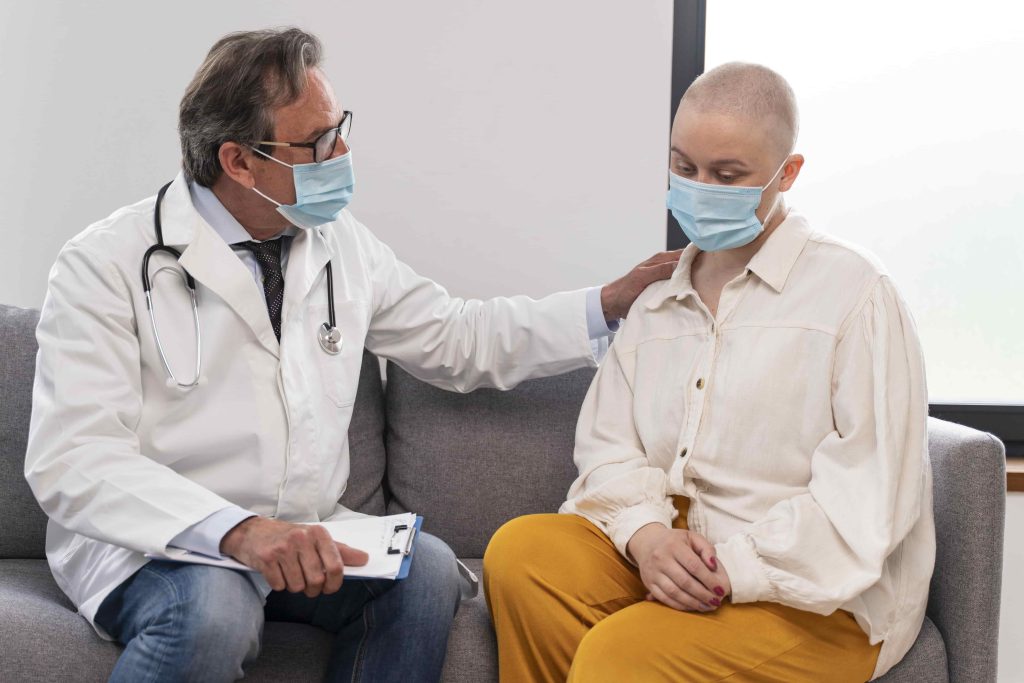
Cancer care also involves nutrition, symptom control and emotional well-being. Surgery, chemotherapy and radiation may affect appetite, energy, digestion and daily functioning.
CuraLife’s onco nutrition support can provide dietary guidance based on treatment, symptoms and nutritional needs. Patients should report pain, fever, severe weakness, vomiting or new concerns to their treating team rather than managing significant side effects alone. CuraLife lists nutrition support as part of its wider cancer-care services.
Awareness Should Lead to Appropriate Action
Sarcoma and Bone Cancer Awareness Month is not meant to create fear around every ache. It encourages attention to persistent and unexplained changes.
Seek medical advice when a lump grows, bone pain continues for weeks, swelling has no clear cause or movement becomes difficult. Assessment can identify non-cancerous causes and conditions requiring specialist care.
CuraLife Cancer Centre provides oncology consultation, diagnostic guidance, chemotherapy, targeted therapy, immunotherapy, pediatric oncology, nutrition support and second-opinion services in Kolhapur. To discuss symptoms, reports or a treatment plan, book an oncology consultation at CuraLife Cancer Centre.