

Tobacco use remains one of the major preventable risk factors for oral cancer. In India, where both smoking and smokeless tobacco products such as gutkha, khaini, zarda, mawa and chewing tobacco are commonly used, awareness about oral cancer is extremely important. Oral cancer can affect the lips, tongue, gums, inner cheeks, floor of the mouth, palate and throat region. When detected early, treatment planning may be more effective, which is why recognising warning signs and seeking timely medical advice matters.
At Curalife Cancer Centre in Kolhapur, cancer care is built around early detection, expert consultation, accurate diagnosis and evidence-based cancer treatment. The centre focuses on supporting patients and families through every stage of the cancer journey with medical guidance and compassionate care.
How Tobacco Increases the Risk of Oral Cancer
Tobacco contains harmful chemicals that can damage the cells lining the mouth. Over time, repeated exposure may cause changes in these cells, increasing the risk of cancer. This risk is not limited to cigarette smoking. Smokeless tobacco is also strongly linked with oral cancer because it stays in direct contact with the tissues of the mouth for a long period. The National Cancer Institute states that smokeless tobacco causes oral cancer, along with other cancers such as oesophageal and pancreatic cancer.
Many people assume that chewing tobacco is safer than smoking, but this is a harmful misconception. Products like gutkha, khaini, zarda and pan masala may irritate the mouth lining and contribute to white patches, ulcers and long-term cellular changes. When tobacco use is combined with alcohol consumption, the risk may increase further because both can damage oral tissues.
Early Signs of Oral Cancer You Should Not Ignore
Oral cancer may begin with small changes that are easy to overlook. A mouth ulcer, patch or irritation may seem minor at first, but if it does not heal within two weeks, it should be checked by a medical professional.
Common warning signs may include:
Persistent mouth ulcers that do not heal
White or red patches inside the mouth
A lump, swelling or thickened area in the cheek, tongue or gums
Unexplained bleeding in the mouth
Pain, numbness or burning sensation
Difficulty chewing, swallowing or moving the tongue
Change in voice or ongoing throat discomfort
Loose teeth without a clear dental reason
Pain in the jaw or ear
These symptoms do not always mean cancer, but they should not be ignored, especially if a person uses tobacco. A timely oral cancer screening in Kolhapur can help identify suspicious changes and guide the next step.
Why Early Detection Matters
Oral cancer can become more difficult to treat when diagnosed at a later stage. Early detection allows doctors to assess the condition before it progresses. At Curalife Cancer Centre, the treatment process includes advanced diagnosis using tests such as biopsy, imaging and lab investigations where required.
For people with tobacco habits, regular screening is especially important. Even if there is no pain, changes in the mouth should be examined. Oral cancer does not always cause severe discomfort in the beginning, which is why many people delay consultation.
Who Is More at Risk?
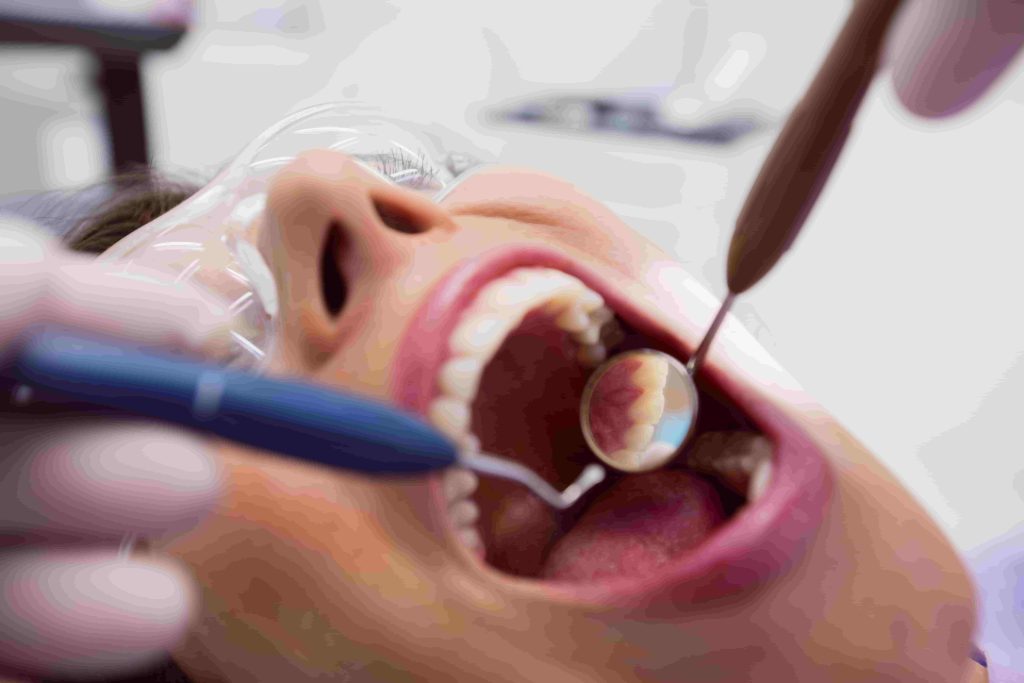
People who smoke cigarettes, bidis, cigars or pipes are at increased risk. Those who chew tobacco or use gutkha, khaini, zarda, mawa or pan masala also have a higher risk because these substances remain in contact with the mouth tissues. The risk may be higher in people who use tobacco for many years or use it frequently throughout the day.
Other risk factors may include alcohol use, poor oral hygiene, long-term irritation from sharp teeth or ill-fitting dentures, low intake of fruits and vegetables, HPV infection and family history of cancer. However, tobacco remains one of the most important preventable causes.
Prevention: Steps That Can Reduce Risk
The most effective preventive step is to stop using tobacco in all forms. Quitting tobacco may reduce the risk of oral cancer and improve overall health. It is not always easy, but medical support, counselling and structured plans can help.
Other prevention steps include:
Avoid smoking and smokeless tobacco
Limit alcohol intake
Maintain good oral hygiene
Get regular dental and oral check-ups
Do not ignore mouth ulcers or patches
Eat a balanced diet with fruits and vegetables
Seek medical advice for long-lasting oral discomfort
For people who already use tobacco, the first step is not guilt or fear. The first step is awareness and action. A consultation with an oncology specialist can help assess risk and decide whether screening or further tests are needed.
Curalife’s Role in Oral Cancer Awareness and Care
Curalife Cancer Centre, located in Rajarampuri, Kolhapur, provides advanced cancer care in a supportive and patient-focused environment. The centre is led by Dr Akshay Shivchhand, who provides cancer management from diagnosis to treatment planning and follow-up care.
For patients suspected of oral cancer, care may involve clinical examination, diagnostic tests, biopsy, imaging and treatment planning depending on the type, stage and location of cancer. Treatment may include surgery coordination, chemotherapy, radiation therapy, targeted therapy, immunotherapy or supportive care, based on medical assessment.
When Should You See a Doctor?
You should seek medical advice if any mouth ulcer, patch, swelling or discomfort lasts more than two weeks. People who use tobacco should be extra cautious, even when symptoms seem small. Early consultation does not mean a person has cancer; it simply helps rule out serious conditions and provides clarity.
Curalife Cancer Centre encourages awareness, timely screening and evidence-based care for people in Kolhapur and nearby areas.
Conclusion
Tobacco-related oral cancer is a serious but preventable health concern. Smoking and smokeless tobacco can both increase risk, and early signs such as ulcers, patches, lumps or swallowing discomfort should not be ignored. Regular screening, quitting tobacco and timely consultation can make a meaningful difference.
For individuals and families in Kolhapur, Curalife Cancer Centre provides expert guidance, diagnostic support and cancer treatment services under one roof. If you or someone you know uses tobacco and has noticed changes in the mouth, consider booking a consultation for proper evaluation.