Melanoma is a serious and potentially life-threatening form of skin cancer that arises from melanocytes — the pigment-producing cells in our skin. While less common than other skin cancers, melanoma is the deadliest type because of its tendency to spread to other parts of the body if not caught early. This blog will help you understand what melanoma is, how it develops, key risk factors, signs to watch for, and the most effective early detection and prevention strategies. At CuraLife Cancer Centre, we emphasise awareness and proactive care to improve outcomes and save lives.
What Is Melanoma?
Melanoma starts when melanocytes begin to grow uncontrollably and form a malignant tumour. It most often appears on areas regularly exposed to sunlight — such as the face, arms, shoulders, and back — but can also occur on areas not commonly exposed to the sun, including the soles of the feet or under the nails. Unlike many other cancers, melanoma can develop rapidly and may spread to lymph nodes and distant organs without prompt treatment.
Why Early Detection Matters
Early cancer detection is the cornerstone of successful melanoma treatment. When melanoma is diagnosed at the earliest stages — before it has invaded deeply or spread — the chances of a cure are extremely high. Experts note that the survival rate for melanoma significantly improves when identified early, often exceeding 90% with timely treatment.
However, if melanoma progresses and spreads to lymph nodes and other organs, treatment becomes more complex, and the prognosis worsens. This stark contrast highlights why awareness and early action are so critical.
Understanding the Risk Factors
While melanoma can affect anyone, certain factors increase a person’s likelihood of developing it:
1. Ultraviolet (UV) Exposure
Exposure to ultraviolet radiation from the sun and tanning beds is the primary risk factor for melanoma. UV rays can damage DNA in skin cells, leading to mutations that trigger cancerous transformations.
2. Sunburn History
Severe, blistering sunburns — especially during childhood — significantly raise melanoma risk later in life.
3. Skin Type and Genetics
People with fair skin, light hair, and light-colored eyes typically have less natural protection against UV rays and are at a higher risk. A family history of melanoma also increases risk, suggesting genetic factors play a role.
4. Number of Moles
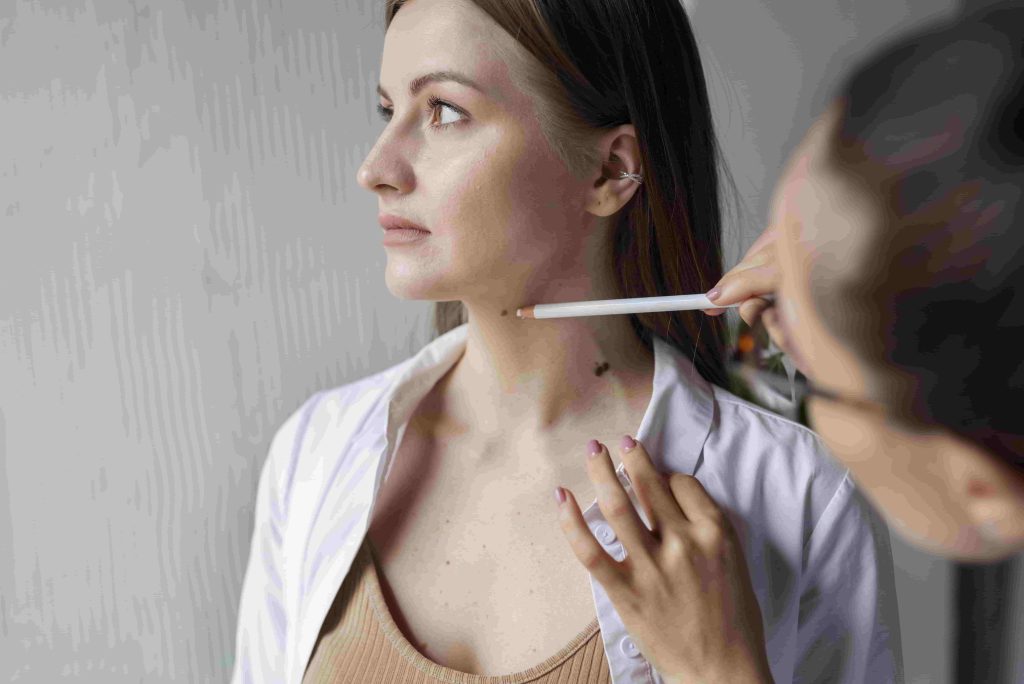
A higher number of moles, especially atypical ones, increases the likelihood of melanoma. These irregular moles may look different from common moles in terms of colour, shape, or size.
5. Weakened Immune System
Conditions or treatments that suppress the immune system — such as organ transplantation medications — can raise melanoma risk.
6. Age and Gender
Although melanoma can appear at any age, rates tend to increase with age. Patterns vary by gender and age group.
Recognising the Early Signs
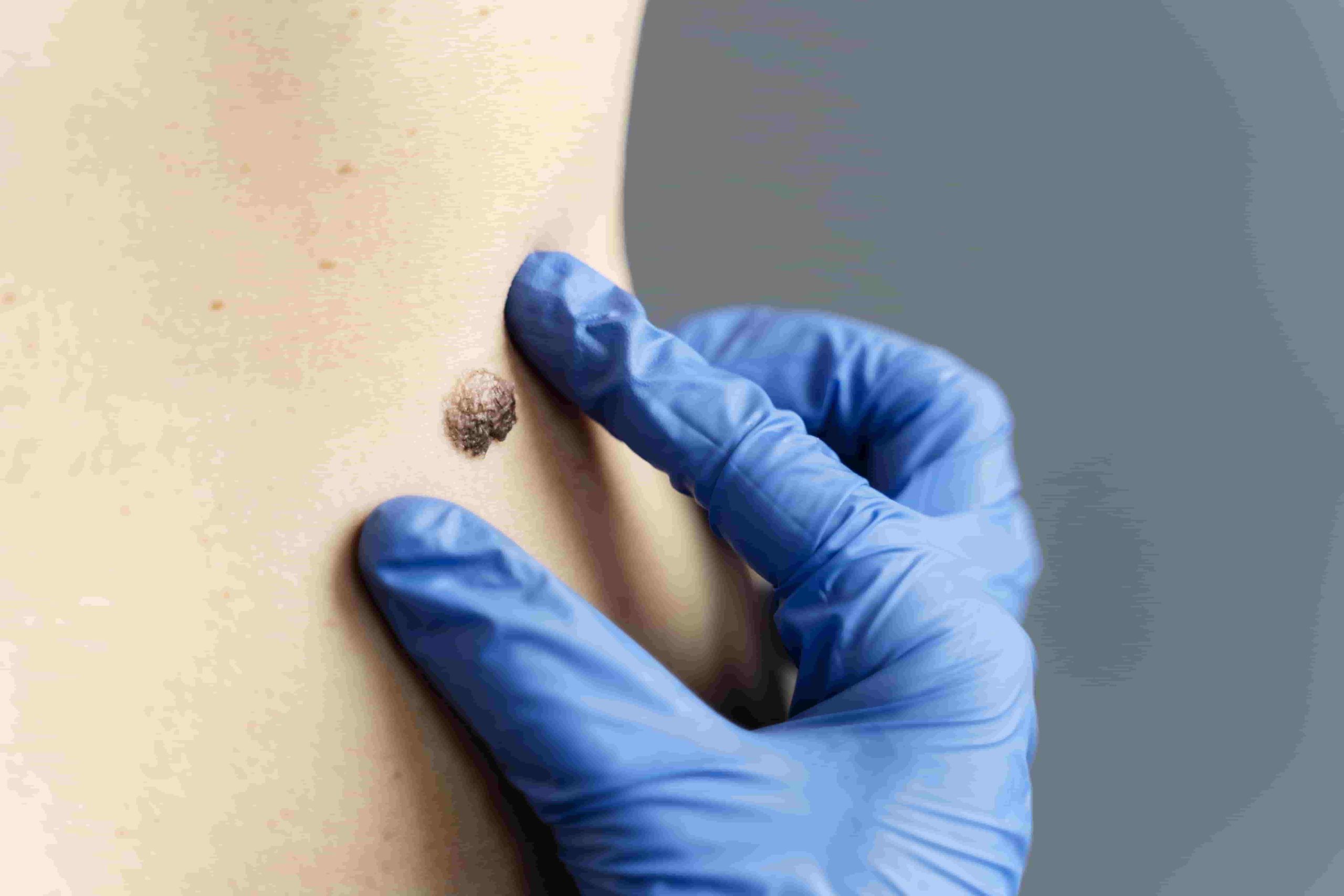
Melanoma often begins as a new spot on the skin or a change in an existing mole. Recognising suspicious changes early can prompt a timely medical evaluation.
Dermatologists commonly use the ABCDE rule to identify potential melanoma:
- A – Asymmetry: One half of the mole doesn’t match the other half.
- B – Border: Edges are irregular, blurred or jagged.
- C – Color: Inconsistent colours or multiple shades.
- D – Diameter: Larger than a pencil eraser (about 6 mm) — although smaller lesions can still be melanoma.
- E – Evolving: Any change in size, shape, colour, or symptoms like itchiness or bleeding.
Beyond the ABCDE rule, any new lesion that looks different from other spots, or any skin change that persists or grows over time, warrants prompt attention.
Self‑Examination: Your First Line of Defence
Monthly self-skin checks are a simple yet effective way to monitor for melanoma. Use a full-length mirror and a handheld mirror to inspect all areas of your body — including hard-to-see regions like your back, scalp, and the backs of your legs. Document and photograph any suspicious spots to track changes over time. Regular self-screening improves the chances of noticing subtle changes early, long before advanced symptoms emerge.
Professional Skin Exams
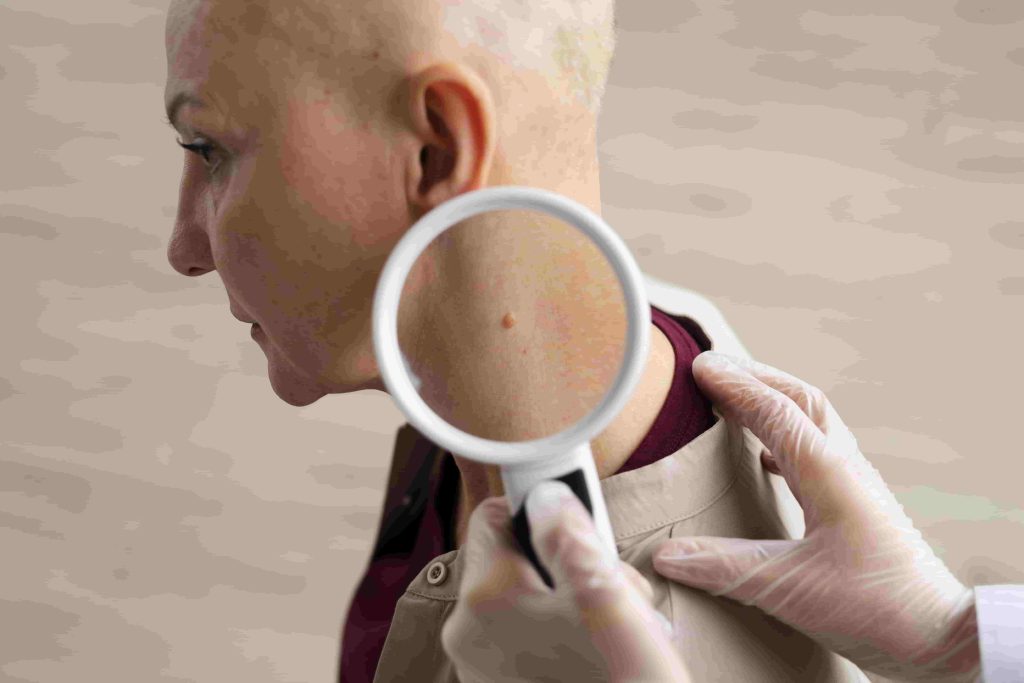
Routine cancer screenings by a dermatologist are essential, especially if you’re at higher risk. A dermatologist can assess suspicious moles using specialised tools like dermatoscopes and perform a biopsy if needed. Biopsy remains the definitive way to confirm melanoma and determine the next appropriate steps.
Effective Prevention Tips
While not all melanomas can be prevented, many cases are linked to modifiable lifestyle factors — especially UV exposure. Here are practical tips to reduce your risk:
1. Use Broad-Spectrum Sunscreen
Apply sunscreen with SPF 30 or higher every day, even on cloudy days. Broad-spectrum formulas protect against both UVA and UVB radiation. Reapply every two hours when outdoors and after swimming or sweating.
2. Wear Protective Clothing
Long sleeves, wide-brimmed hats, and UV-blocking sunglasses provide physical barriers against harmful rays. Choosing tightly woven fabrics adds extra protection.
3. Seek Shade During Peak Sun Hours
Sun intensity is strongest between 10 a.m. and 4 p.m. Limiting direct sun exposure during these times can significantly lower UV damage.
4. Avoid Tanning Beds
Indoor tanning devices emit UV radiation that can increase melanoma risk. Avoid tanning beds entirely — there’s no “safe” tan.
5. Educate and Protect Loved Ones
Teach children sun safety early — lifelong sun habits begin in childhood. Encourage family members to use sunscreen and protective clothing.
Conclusion: Awareness Saves Lives
Understanding melanoma and prioritising early detection and prevention can make a profound difference in treatment outcomes. Regular self-examination, professional skin checks, and smart sun habits empower you to take control of your skin health. At CuraLife Cancer Centre, our team is dedicated to guiding you through every step — from risk assessment and screening to the latest diagnostic and treatment options.